Insurance and Safety for Commercial Waste Morden
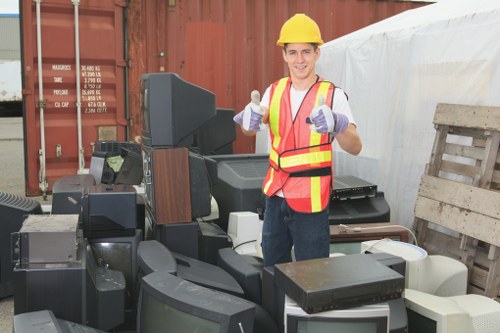 In Commercial Waste Morden operations, choosing an insured rubbish company is not optional — it is essential. This page explains how a professional, insured commercial waste provider protects your business, staff and the public through robust public liability insurance, consistent staff training, personal protective equipment and a transparent risk assessment process. Whether you search for an insured waste company or a fully compliant commercial-clearing partner, understanding these safeguards helps you make a confident procurement decision.
Why Public Liability Insurance Matters
Public liability cover forms the backbone of any reputable commercial waste service. An insured waste contractor carries policies that protect third parties from injury or property damage arising from everyday clearance tasks. For businesses hiring an insured rubbish contractor in Morden, this means claims made by pedestrians, neighbouring premises, or clients are handled by insurers, not by your balance sheet. Our explanation below clarifies what typical policies include and why they matter for commercial waste removal.
What Public Liability Typically Covers
The scope of public liability varies but commonly includes compensation for:- Injury to third parties caused by debris, spillage or vehicle movement during collection.
- Damage to adjacent property due to loading, unloading or on-site storage.
- Legal defence costs if a claim escalates to litigation.
Staff Training: Competence Reduces Risk
Professional, insured waste operators invest in documented staff training programmes. Training reduces on-site incidents and helps ensure that operatives follow safe systems of work. Competence includes manual handling techniques, hazardous waste recognition, safe vehicle operation and customer site etiquette. A responsible company will maintain training records and make them available for audit by clients or compliance officers.
Components of an Effective Training Regime
Training should be practical, recurring and tailored to commercial waste tasks. Key elements include:- Induction training for new employees covering company policies and emergency procedures.
- Task-specific instruction such as safe lifting, segregation of recyclables and handling of sharp or bulky items.
- Driver and vehicle training for operatives who load or drive collection vehicles.
- Refresher courses and competence checks to maintain standards over time.
PPE: Personal Protection for Staff and the Public
PPE is a visual and practical safeguard. An insured rubbish company will supply, enforce and maintain appropriate personal protective equipment for every operative. This not only meets legal duties but also demonstrates a commitment to safety culture. PPE should be selected following a risk assessment and tailored to the hazards present in commercial waste collection.Common PPE for commercial waste teams includes high-visibility jackets, robust gloves, protective boots, eye protection and, where necessary, respiratory protection. Employers must ensure correct sizing, replacement cycles and sanitary maintenance. An insured commercial waste contractor will also instruct staff on correct PPE use and document compliance as part of their health and safety records.
Risk Assessment Process: Practical and Proportionate
An effective risk assessment process sits at the heart of safety management for any insured rubbish company. Risk assessments are not one-off documents; they are dynamic tools used to identify hazards, rate the likelihood and severity of harm, and implement control measures to lower risk to an acceptable level. For commercial waste contracts in Morden, risk assessments should be site-specific and include transport, manual handling and environmental considerations. The risk assessment process typically follows these steps:
- Identify hazards — observe the site, tasks and materials that could cause harm.
- Decide who might be harmed — employees, contractors, public, vulnerable groups.
- Evaluate risks — consider both probability and consequence.
- Implement controls — eliminate hazards where possible, then use engineering controls, safe systems of work, training and PPE.
- Record findings — keep accessible documentation and risk mitigation plans.
- Review and revise — update assessments after incidents, changes in work or new information.
Monitoring, Compliance and Continuous Improvement
Maintaining insurance and safety standards is an ongoing commitment. Insured commercial waste operators employ routine monitoring, toolbox talks, health and safety audits and regular reviews of insurance coverage. This cycle of continuous improvement ensures that the insured rubbish company you hire remains capable of managing evolving risks and regulatory expectations. Look for firms that publish safety policies and evidence of consistent compliance activity.Summary of what to expect from an insured commercial waste provider:
- Verified public liability and relevant insurance policies.
- Documented staff training and competence records.
- Provision and enforcement of appropriate PPE.
- Clear, site-specific risk assessments with recorded mitigation measures.
