Morden Road bulky rubbish removal guide for tight access jobs
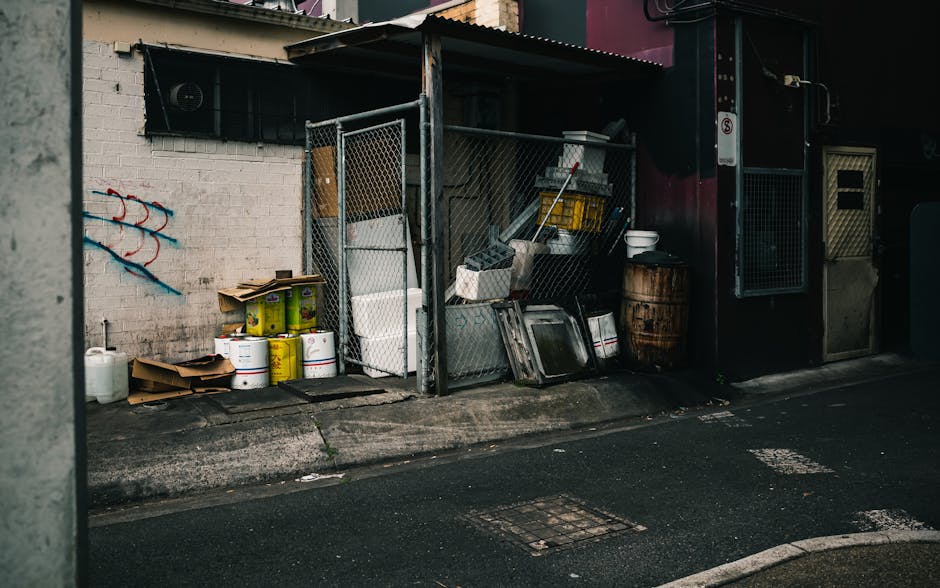
If you are trying to clear bulky waste from a home, flat, office, or rear garden near Morden Road, you already know the awkward bit is rarely the rubbish itself. It is the doorway, the narrow side passage, the basement steps, the shared hall, the parked cars, the hedge that has grown one season too far. This Morden Road bulky rubbish removal guide for tight access jobs is written for exactly that problem. It shows how to plan the job properly, what to check before anyone lifts a sofa, and how to avoid the usual last-minute scramble when access turns out to be tighter than expected.
Whether you are getting rid of broken furniture, builders' debris, white goods, or a mixed pile after a clear-out, tight access changes the whole operation. A good plan saves time, reduces damage risk, and often makes the removal cheaper and calmer. Let's face it, nobody wants a wardrobe wedged halfway through a hallway at 7:30 in the morning.
Why Morden Road bulky rubbish removal guide for tight access jobs Matters
Tight access is not a small inconvenience. It can shape the whole removal method. A bulky item that looks manageable in a front room can become awkward once you factor in a narrow staircase, a low ceiling, a tight turn at the landing, or a shared entrance that needs to stay clear for neighbours. On Morden Road and the surrounding streets, that kind of layout is common enough that it deserves proper planning, not guesswork.
This matters because bulky waste is rarely just one item. It is often a sofa with a missing leg, a mattress that barely bends, a fridge that needs careful handling, or a stack of awkward bits from a garage, loft, or renovation room. If you are dealing with more than one item, small access problems quickly multiply. One person can lift a chair. Two people and a trolley might be needed for a heavy cabinet. Sometimes a simple job becomes a route-planning exercise, which sounds dramatic, but it is true.
There is also the question of damage. Tight spaces increase the risk of scuffed walls, chipped paint, cracked tiles, torn carpet, and strained backs. A careful bulky rubbish removal plan protects the property and the people doing the lifting. That is especially relevant in flats, older terraces, converted buildings, and homes with shared access points where a clumsy move can become everybody's problem.
For many people, the hidden benefit is peace of mind. Once the access route is mapped out, the rest gets easier. You know where the item will go, what might need dismantling, and whether it is better to clear the path the day before. That clarity is worth a lot on a busy day.
How Morden Road bulky rubbish removal guide for tight access jobs Works
The process starts with access, not with lifting. A proper tight-access removal is usually planned in stages: assess the route, identify obstacles, decide what needs dismantling, choose the right removal method, and then move the waste out in a controlled way. It sounds methodical because it is. The more awkward the access, the more important the method becomes.
In practical terms, a removal team will usually look at:
- door widths and hallway turns
- stairs, landings, and basement steps
- parking and loading distance
- shared entrances or communal corridors
- the weight, size, and shape of each item
- whether the item can be split, folded, or carried in sections
If the route is too tight for a bulky item to pass safely, there are still options. Furniture can sometimes be dismantled. Some items can be carried in smaller parts. Mixed waste can be moved by hand in multiple trips rather than one big lift. In harder cases, a team may need more time, more people, or a different loading position. None of that is unusual. It is just the reality of working in cramped places.
For items such as white goods or upholstered furniture, it is wise to check whether they need specialist handling. If you are dealing with a fridge, freezer, or appliance, have a look at fridge and appliance removal before setting anything in motion. For sofas and mattresses, the right method matters even more because they are bulky, awkward, and hard to squeeze through narrow spaces without strain. If that sounds familiar, mattress and sofa disposal is a sensible place to start.
There is also a commercial side to this. Some jobs are not just about waste volume; they are about time, site access, and how much labour is needed. For larger or more complex collections, a provider may steer you toward general waste removal, builders waste clearance, or even house clearance if the property needs a fuller emptying. That kind of matching saves a lot of back-and-forth later.
Key Benefits and Practical Advantages
When tight access is handled properly, you get more than a clear room. You get a smoother day. You get fewer surprises. And, to be fair, you get the relief of not having to wrestle a heavy item through a stairwell yourself.
- Less damage risk: careful planning reduces knocks to walls, doors, and bannisters.
- Safer lifting: awkward loads are far easier to manage with the right route and team size.
- Faster completion: the job moves more smoothly when the access route is already thought through.
- Better cost control: fewer delays and fewer failed attempts can keep the job efficient.
- Less stress: you are not improvising under pressure while a sofa blocks the corridor.
Another advantage is selectivity. Tight-access jobs often force a clearer decision about what actually needs to go. That can be helpful. Once you see how awkward it will be to remove everything, you may choose to separate reusable pieces from waste, or split one big job into phases. It is often easier to clear a loft, then a garage, then the garden, rather than trying to do everything at once. If that sounds like your situation, services such as loft clearance, garage clearance, and garden clearance can be more practical than forcing a one-size-fits-all approach.
There is also a sustainability upside. When items are sorted properly before removal, more can be separated for recycling or suitable processing. That is better than chucking everything in a pile and hoping for the best. It is not glamorous work, obviously, but it matters.
Who This Is For and When It Makes Sense
This guide is for anyone facing a bulky rubbish job where access is the real challenge. If you are wondering whether a removal service is overkill, ask yourself a simple question: can the item move freely from where it sits to the vehicle without forcing, bending, scraping, or a bit of a heroic struggle? If the answer is no, then tight access planning is probably needed.
Typical examples include:
- flat residents with narrow stairwells or shared entrances
- homeowners with side access that is too narrow for large items
- landlords clearing bulky waste after tenants leave furniture behind
- offices needing desks, chairs, and filing items removed through restricted corridors
- trade customers dealing with renovation debris in tight urban settings
It also makes sense if the item is heavy rather than just large. A heavy wardrobe on a tight corner can be far more awkward than a bigger but lighter item. Sometimes the real issue is not width, but the combination of weight and turning space. Old buildings can be the trickiest. You will notice that what looks fine on a quick look becomes much less fine once you try to angle a mattress through a bendy staircase. Been there, seen that, no thanks.
If the job is part of a bigger clear-out, it may be better to organise related services together. For example, a home that needs furniture gone might also need furniture clearance or furniture disposal, while an office move may be better handled through office clearance. That keeps the job coherent and avoids separate visits for very similar waste streams.
Step-by-Step Guidance
Here is the practical part. If you want the job to go smoothly, work through it in order rather than jumping straight to lifting.
- Measure the route. Check door widths, stair turns, hallway clearances, low ceilings, and any awkward corners. A tape measure and ten quiet minutes are genuinely useful here.
- Identify obstacles. Look for radiators, planters, bikes, shoe racks, bins, gates, or parked cars that may block the path.
- Sort the waste by type. Keep furniture, rubble, appliances, and mixed rubbish separate where possible. This helps planning and may help recycling later.
- Decide what can be dismantled. Remove legs, doors, shelves, or detachable parts if it improves access.
- Clear the route in advance. Move valuables, fragile items, and trip hazards out of the way before removal day.
- Check disposal restrictions. Some items need specialist handling, especially if they are electrical, hazardous, or contaminated.
- Book the right service. Choose a provider that understands tight access rather than one that only deals with simple kerbside collections.
- Prepare for loading. Make sure the collection point is accessible and that someone can explain the route on arrival.
A good rule of thumb: if you are unsure whether the item will fit, assume it will not until you have measured properly. That sounds pessimistic, but it saves hassle. It also avoids the classic moment where two people stare at a sofa for thirty seconds and say, "Surely we can just tilt it." Sometimes yes. Sometimes absolutely not.
For people planning a broader property clear-out, it can help to check whether the job is mainly household waste, renovation waste, or a mix. A mixed-property job might suit home clearance, while debris from refurbishment is better aligned with builders waste clearance. Choosing the right category often keeps the process more efficient.
Expert Tips for Better Results
Here are the small things that make a surprisingly big difference.
First, photograph the access route. If you are getting a quote, pictures of the stairs, the turn points, the street frontage, and the item itself help a lot. A photo taken in daylight is better than ten vague texts. On a wet London morning, even a quick picture can save a miscommunication.
Second, protect surfaces before the move. Cardboard, blankets, or temporary floor protection can help reduce scuffs. This is especially useful on older hallways and painted skirting boards.
Third, keep one person in charge of the route. Too many voices on a tight staircase is never ideal. One clear guide, one clear plan, and everybody else follows along. Simple, but it works.
Fourth, separate hazardous or sensitive items early. Anything that could leak, break, or cause a safety issue should not be left to the last minute. If you think there may be hazardous material in the load, read the service notes for hazardous waste disposal before making assumptions.
Fifth, think about timing. Early starts help on busy streets, but if access depends on neighbours being in or parking spaces being free, you may need to avoid the busiest windows. A job that begins calmly tends to finish calmly too.
One more thing: if the item is large but not especially heavy, do not underestimate how awkward it becomes once it starts catching on a wall edge or staircase banister. That is where people get impatient, and impatience is usually what causes the bump, scrape, or strained shoulder. Slow is not glamorous, but slow is safer.
Common Mistakes to Avoid
Most tight-access removal problems come from a handful of avoidable mistakes.
- Not measuring properly. Eyeballing a doorway is risky. It often lies to you.
- Ignoring turning space. Width is only half the story; corner clearance matters just as much.
- Leaving preparation until collection day. Moving clutter out of the way during the visit slows everything down.
- Forgetting about parking and loading space. A perfect interior route helps very little if the vehicle cannot get close enough.
- Mixing incompatible waste types. Some items need separate handling, and some are simply harder to process together.
- Trying to force one person job into one person lift. That is how injuries happen. Not worth it.
A subtle mistake is assuming all bulky rubbish is interchangeable. It is not. A broken sofa, a mattress, and a pile of renovation waste each have different handling realities. That is why the right service matters. If the job is mostly old seating, a dedicated sofa and mattress disposal approach may be more suitable than a generic clearance. If it is office furniture, office clearance may give you a more direct fit.
And one more, slightly human mistake: people sometimes forget that the route has to work in reverse, too. Getting the item out is only half the task. It also needs to reach the vehicle without stopping halfway for a rethink. That rethink is usually where the day gets longer.
Tools, Resources and Recommendations
You do not need specialist equipment for every job, but the right basics make a huge difference. The aim is not to turn your hallway into a workshop; it is just to avoid unnecessary friction.
| Tool or resource | Why it helps | Best use case |
|---|---|---|
| Tape measure | Confirms if items and turning spaces are workable | Doorways, stair turns, narrow halls |
| Basic screwdriver set | Helps dismantle detachable parts | Flat-pack furniture, beds, cabinets |
| Protective covers or blankets | Reduces scuffs and knocks | Painted walls, door frames, floors |
| Gloves and sturdy footwear | Improves grip and personal safety | Any lifting or loading task |
| Clear item list or photos | Makes quoting and planning more accurate | Mixed bulky rubbish jobs |
For anyone weighing up collection methods, it is also worth checking whether the waste is simple enough for a standard visit or whether a more complete clearance is smarter. For instance, you might compare a stand-alone collection with full property support such as flat clearance or house clearance. The right fit depends on quantity, access, and how much sorting you want done for you.
If pricing is part of the decision, a transparent quote process matters. Look at pricing and quotes before you book, and if you need to secure a slot, book online is usually the quickest route when the job details are already clear. There is something satisfying about getting it sorted in one go, honestly.
Law, Compliance, Standards, or Best Practice
For bulky waste removal in the UK, the key point is simple: waste should be handled, transported, and disposed of responsibly. If you are using a professional service, you want reassurance that the operator follows sensible safety procedures, handles waste lawfully, and separates materials appropriately where practical.
In plain English, best practice means:
- the waste is handled safely by people who understand lifting and access risks
- vehicles and loading methods are suitable for the job
- problem items are identified early rather than left as surprises
- materials are not dumped or mixed carelessly
- the collection process respects property, neighbours, and shared spaces
If a job involves electrical items, liquids, chemical containers, sharp waste, or anything that may be hazardous, it should be treated carefully and separately. The same goes for anything you are not fully sure about. When in doubt, ask before collection rather than after. That is the sensible move, even if it feels a bit overcautious at the time.
For trust signals, it is also useful to check operational policies. Pages such as health and safety policy, insurance and safety, and recycling and sustainability show how a provider approaches the job beyond the lifting itself. If confidential paperwork is involved during an office or property clearance, confidential shredding may also be relevant.
None of this is about turning a simple clearance into a legal seminar. It is about choosing a service that works carefully, openly, and with common sense. That is what most people actually want.
Options, Methods, or Comparison Table
Not every bulky rubbish job near Morden Road needs the same solution. The best method depends on how tight the access is, how much waste there is, and how quickly you need it gone.
| Method | Best for | Advantages | Possible drawback |
|---|---|---|---|
| Manual carry-out | Single items or small loads through narrow access | Flexible, direct, good for awkward routes | Can be slower for heavier loads |
| Dismantle-and-remove | Furniture and large items that can be split down | Improves access, reduces damage risk | Needs time and a bit of preparation |
| Full clearance service | Whole rooms, flats, homes, or offices | More complete, less coordination for you | May be more than you need for one item |
| Specialist item removal | Appliances, mattresses, sofas, or restricted items | Better handling of awkward materials | May require clearer upfront details |
If you are comparing options, think in terms of effort, not just item count. A couple of heavy items down three flights of stairs can be more complicated than a larger pile sitting on a ground floor. That is why narrow-access jobs should be priced and planned on reality, not optimism.
Case Study or Real-World Example
Picture a small flat off Morden Road with a second-hand sofa, a wardrobe, and a broken chest of drawers waiting to go. The hallway is narrow. The stairwell bends sharply halfway down. The front door opens into a tight communal entrance, and there is not much space outside for staging items. Classic awkward job, really.
In that kind of scenario, the first step is a quick access check. The wardrobe might need its doors removed. The sofa may need a two-person carry with the route cleared in advance. The drawers could be carried separately, or dismantled if the fixings are still usable. If the team knows the route in advance, they can decide whether to bring extra help, protective covering, or a more suitable trolley setup.
The job works best when the resident has already cleared the route. Shoes moved. Small plants lifted out of the way. No parcels left on the stairs. The result is usually straightforward: less noise, fewer scrapes, and a quicker finish. Not miraculous, just well organised.
In a different example, a small office near a busy road may need desks and chairs removed through a rear access lane. Because parking is tight, the team has to load quickly and keep the route clear. That is where good planning saves the day. If the office also needs paperwork dealt with, pairing the visit with business waste removal and, where appropriate, confidential shredding can make the whole move much tidier.
Practical Checklist
Use this checklist before the collection day. It is simple, but it catches most of the problems people forget until the last minute.
- Measure doors, stairs, turns, and any narrow outdoor passage.
- Check whether items can be dismantled safely.
- Move bikes, bins, shoes, plants, and clutter out of the access route.
- Confirm where the collection team can park or load.
- Separate furniture, appliances, rubble, and mixed waste if possible.
- Flag any hazardous, sharp, leaking, or unusual items in advance.
- Take photos of the item and the access route for reference.
- Make sure someone is available to explain the route on arrival.
- Keep children and pets away from the lifting area.
- Review the booking details so nothing important has been missed.
Quick takeaway: tight access jobs go best when the route is measured, the load is sorted, and the collection team knows exactly what they are facing. That little bit of prep changes everything.
Get a free quote today and see how much you can save.
Conclusion
A bulky rubbish removal job on or near Morden Road becomes much easier once you treat access as the main event. Measure first. Clear the route. Choose the right service. And be honest about how awkward the item really is. That is the difference between a smooth collection and a stressful one.
If your waste is part of a bigger clear-out, remember that the right service can make the whole day easier, whether that means home clearance, furniture clearance, waste removal, or something more specific. The best choice is usually the one that matches the access, the item type, and your time frame - not the one that sounds simplest at first glance.
And honestly, if you can take one thing from this guide, let it be this: tight access does not have to mean a difficult job. It just means the job deserves a proper plan. That's all. A little calm goes a long way.
Frequently Asked Questions
What counts as a tight access bulky rubbish job?
Any collection where the item cannot be moved easily through doors, corridors, staircases, side passages, or communal entrances counts as tight access. It usually means the route needs measuring, route clearing, or partial dismantling before removal.
Can a sofa be removed through a narrow hallway?
Sometimes, yes, but it depends on the exact width, turning space, and shape of the sofa. Sofas with removable feet, arms, or sections are easier to manage. If the route is especially tight, the item may need to be dismantled or handled by a two-person team.
Do I need to measure everything before booking?
It is strongly recommended. Measuring doorways, stair turns, and any outdoor access point helps avoid surprises. Even a quick measurement can reveal whether the item will fit or whether a different method is needed.
Is bulky rubbish removal better than using a skip for tight access?
For many tight-access jobs, yes. Skips need space for placement and loading, while a manual removal service can often work through narrow entrances, stairs, or restricted routes more flexibly. If you are unsure, compare it with the guidance on what can go in a skip and think about access first.
What happens if the item will not fit on the day?
The team may need to dismantle it, remove parts separately, or adjust the method. In some cases, the job may need rescheduling if the access issue is more severe than expected. That is why photos and measurements are so useful before the appointment.
Can I leave bulky items in a communal hallway overnight?
Usually, it is better not to. Communal areas need to stay clear for neighbours and for safety reasons. If you are using shared access, arrange the removal so items are kept in your own property until collection time.
Are appliances harder to remove through tight access?
Yes, often they are. Appliances can be heavy, awkward, and difficult to grip. Fridges, freezers, and washing machines need careful handling, so it is worth checking specialist options such as fridge and appliance removal.
How do I prepare furniture for removal through a narrow route?
Remove detachable parts, empty drawers, take off loose doors, and clear the route completely. If you can make the item smaller or lighter before collection, that usually improves both speed and safety.
Is there a difference between furniture clearance and furniture disposal?
Yes. Furniture clearance usually refers to the service of removing items from the property, while furniture disposal focuses more on what happens next with the items. Both can be relevant depending on the job, and both can be useful in tight-access situations.
What should I tell the removal team before they arrive?
Tell them about any narrow steps, low ceilings, awkward turns, parking limits, shared entrances, and any unusually heavy or damaged items. The more specific you are, the easier it is for the team to arrive prepared.
How can I reduce the risk of damage during removal?
Clear the route, protect walls and floors where needed, and avoid forcing items through spaces they do not fit. Good handling, careful lifting, and proper planning do most of the work here. A rushed move is where damage usually starts.
What if I have a mix of household waste and builders' debris?
That is common. Mixed jobs can be managed, but it helps to separate the materials if possible and explain the mix clearly when booking. Depending on what you have, services like builders waste clearance or house clearance may be a better fit than a generic collection.
Who should I contact if I want help planning a tight access collection?
If you need help planning the access route, sending photos and a short description is a good start. You can also use the service pages for more context, and when you are ready, visit contact us to discuss the job directly. A calm, clear briefing usually gets the best result.
Can a bulky rubbish removal job be done quickly even with tight access?
Yes, if the route is clear, the access is described accurately, and the items are suitable for removal without major dismantling. The key is preparation. A well-planned job can be surprisingly quick, even when the access looks awkward at first glance.