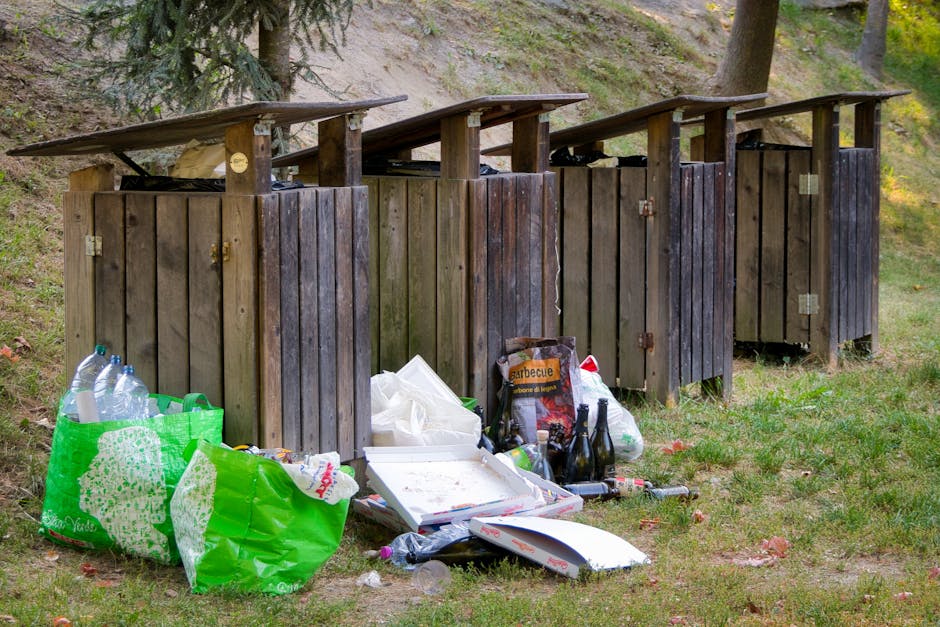
Morden Hall Park rubbish collection guide for residents
If you live near Morden Hall Park and you are trying to clear bulky items, garden waste, or just a build-up of everyday rubbish, you are probably looking for a simple, reliable way to deal with it without creating more hassle. This Morden Hall Park rubbish collection guide for residents is written to help you sort what can go where, avoid the usual mistakes, and choose the cleanest, safest route for disposal. Whether you are decluttering a flat, tidying a family home, or shifting a few awkward items after a weekend project, the right approach saves time, reduces stress, and keeps the whole process tidy.
Truth be told, rubbish collection sounds straightforward until you are standing there with a broken wardrobe, three black sacks, a half-dismantled shelf, and a nagging feeling that some of it might need special handling. That is exactly why a practical guide matters. Below you will find clear steps, common pitfalls, a comparison of disposal options, and a sensible checklist you can actually use.
Table of Contents
- Why Morden Hall Park rubbish collection guide for residents Matters
- How Morden Hall Park rubbish collection guide for residents Works
- Key Benefits and Practical Advantages
- Who This Is For and When It Makes Sense
- Step-by-Step Guidance
- Expert Tips for Better Results
- Common Mistakes to Avoid
- Tools, Resources and Recommendations
- Law, Compliance, Standards, or Best Practice
- Options, Methods, or Comparison Table
- Case Study or Real-World Example
- Practical Checklist
- Conclusion
- Frequently Asked Questions
Why Morden Hall Park rubbish collection guide for residents Matters
Morden Hall Park sits in a part of London where homes, flats, gardens, and mixed-use streets all create slightly different waste challenges. One resident may need to clear hedge cuttings after a weekend job, while someone else is dealing with an old sofa that will not squeeze through the hallway, and another is just fed up with bags piling up in a hallway corner. The point is simple: rubbish collection is not one-size-fits-all.
A good guide helps you make better decisions before the mess becomes a problem. That matters for three reasons. First, the wrong disposal choice can lead to delays, extra lifting, or items being rejected. Second, certain materials need special handling, and guessing is not a great strategy there. Third, a tidy and lawful clearance protects the people living in the property and the wider area around it. Nobody enjoys dragging damp rubbish through a shared entrance at 7.30 in the morning, and your neighbours probably do not either.
In our experience, residents usually want three things: speed, clarity, and confidence that the waste will be handled properly. This guide is built around those priorities.
Expert summary: The safest rubbish collection plan is the one that matches the waste type, the access on your property, and the amount you need removed. If those three things are unclear, start there before booking anything.
How Morden Hall Park rubbish collection guide for residents Works
At a practical level, rubbish collection for residents usually falls into a few broad routes: scheduled council-style collection, ad hoc uplift of bulky items, skip-based disposal, or a man-and-van style waste removal service. Each has its place. The right choice depends on how much waste you have, how quickly you need it gone, and how much lifting or sorting you are prepared to do yourself.
If you are dealing with mixed household waste, many people prefer a direct clearance approach because it removes the job in one go. That is especially useful when the waste includes furniture, broken appliances, loft clutter, or items from a move. For larger clear-outs, services like home clearance, house clearance, or flat clearance can be more practical than trying to manage everything piece by piece.
If the waste is mostly garden material, such as branches, soil, turf, or old plant pots, a garden clearance approach is often a better fit. If you are working on a renovation or a heavy DIY job, builders waste clearance may be the more sensible route, especially when rubble, timber offcuts, plasterboard, and packaging are involved.
The process is usually straightforward:
- Sort the waste into broad categories.
- Identify anything that needs special handling.
- Estimate how much there is and how accessible it is.
- Choose the most suitable collection method.
- Book, prepare, and leave the items safely accessible.
It sounds basic, but that small bit of planning can save you a fair bit of trouble later. And yes, the awkward chair that has lived in the corner for a year still counts as a chair. A very stubborn chair, but a chair all the same.
Key Benefits and Practical Advantages
When rubbish is handled properly, the benefits are immediate. The space looks better, but more importantly it feels easier to live in. Hallways open up. Spare rooms become usable again. The smell of old food waste or damp cardboard disappears. Small things, maybe, but they add up fast.
- Less stress: You are not juggling bags, bins, and trips to a tip you may not even want to navigate.
- Safer access: Removing clutter reduces trip hazards and makes shared areas easier to use.
- Cleaner sorting: Waste can be separated more sensibly when a plan is in place.
- Better time control: A single collection can often be more efficient than several smaller trips.
- Fewer rejected items: Knowing what needs special handling prevents last-minute problems.
There is also a practical money angle, even if people do not always notice it at first. A poorly planned collection can lead to paying for the wrong size of service or spending extra time moving rubbish around twice. When you compare the options carefully, the more organised route usually feels cheaper because it avoids all that faff.
If you care about reducing landfill where possible, it helps to use a provider with a clear recycling approach. You can read more about that style of approach through recycling and sustainability practices. It is not about perfection. It is about making sensible decisions with the waste you already have.
Who This Is For and When It Makes Sense
This guide is for residents who need a practical answer rather than a generic policy explanation. That usually includes:
- families clearing out bedrooms, lofts, or garages
- tenants moving out of flats with mixed leftovers
- homeowners getting rid of bulky furniture or broken appliances
- people tidying after gardening, decorating, or DIY
- landlords and property managers preparing a unit for re-let
- anyone who has reached the point of, "Right, this has to go now."
It makes sense to arrange a dedicated collection when the waste is too bulky for normal bins, when you have a limited window to clear the space, or when the items are awkward to move safely on your own. A mattress down three flights of stairs in a narrow stairwell? No thank you. That is the kind of thing that looks manageable right up until it is not.
If you are only getting rid of a couple of small items, a larger service may be overkill. But if the clutter is building up, or if you need a clean sweep, more structured options such as furniture disposal or furniture clearance can make the job much easier.
Step-by-Step Guidance
Here is a simple process you can follow without overthinking it.
1. Walk the property and make a quick waste inventory
Go room by room. Note the bulky items, loose bags, and anything that might be hidden in cupboards, loft corners, sheds, or under stairs. It is surprising how often the real volume is more than people expect. One box turns into five. It happens.
2. Separate general waste from reusable or specialist items
Look for items that may be donated, repaired, or reused before you treat everything as rubbish. Then identify items that need specialist disposal, such as fridges, freezers, TVs, or anything with hazardous contents. For appliances, a dedicated fridge and appliance removal service can be a cleaner option than mixing them in with ordinary waste.
3. Watch for hazardous or awkward materials
Paint tins, solvents, chemical cleaners, batteries, sharp metal, and some electrical items should not be handled casually. When in doubt, slow down and separate them. If the waste is potentially dangerous, a hazardous waste disposal route is the safer option.
4. Decide how much help you need
Ask yourself a practical question: do you need just a collection, or do you need the items carried out as well? That distinction matters. A ground-floor front garden is not the same as a top-floor flat with a narrow staircase and no lift. Access is a real part of the job, not an afterthought.
5. Prepare the waste for easy access
Place items where they can be collected without blocking exits or causing a hazard. Keep bags tied, drawers emptied, and loose debris contained. If there are doors, gates, or building rules to work around, sort that beforehand so nobody is standing around in the cold trying to guess the code.
6. Confirm what happens next
Before collection day, be clear about timing, access, and what is included. If you need a formal booking process, book online when that suits you and keep your notes handy. If anything is unclear, it is better to ask now than to discover a mismatch later.
Expert Tips for Better Results
There are a few small habits that make rubbish collection much smoother.
- Measure the awkward stuff. A sofa, fridge, or wardrobe can look "probably fine" until it reaches a doorway. Measuring once beats regretting it later.
- Group items by type. Mixed piles slow everything down. Keep furniture together, garden waste together, and heavy rubble separate if possible.
- Keep a clear pathway. This matters more than people think, especially in flats or terraced houses where access is tight.
- Label anything that must not be taken. If something is staying, make it obvious. Otherwise, it can get swept into the wrong pile. Annoying, and very avoidable.
- Think ahead about final use of the space. Are you clearing for decorating, moving, renting, or storage? The end goal changes how neatly you should stage everything.
One useful trick is to take a quick photo of the waste area before collection. Not because you need to be precious about it, but because it helps you remember what was there if you are comparing options or checking whether anything was missed. Small thing, but handy.
If you are dealing with a full-property reset, services like loft clearance, garage clearance, and home clearance are often the difference between a weekend job and a job that quietly takes over your whole month.
Common Mistakes to Avoid
Most rubbish collection problems come from a short list of avoidable mistakes. The good news? They are easy to fix once you know what to look for.
- Mixing everything together: garden waste, electrical items, and general rubbish should not always be bundled into one pile.
- Leaving sorting until the last minute: that is when mistakes happen and access becomes messy.
- Ignoring heavy or sharp items: broken glass, metal edges, and old fittings can cause injuries fast.
- Underestimating volume: a few "small" items can fill a vehicle or storage area very quickly.
- Forgetting shared-space rules: in flats or managed properties, you may need to keep pathways clear and collections tidy.
- Assuming all waste is treated the same: it really is not.
Another classic mistake is waiting until the weather turns. Wet cardboard, soggy bedding, and muddy garden waste are far less pleasant to handle on a grey morning in south-west London. Nobody needs that kind of drama.
If your waste includes sofas or old mattresses, it is worth using a service set up for awkward household items. A dedicated mattress and sofa disposal option can save a lot of lifting and confusion.
Tools, Resources and Recommendations
You do not need a van full of equipment to manage rubbish well, but a few simple tools help:
- heavy-duty bin bags or rubble sacks
- gloves with a decent grip
- mask and dust protection for dusty lofts or loft-style clearances
- packing tape or cable ties for bundling small pieces
- a marker pen for labelling keep, donate, and remove piles
- a tape measure for furniture and appliance access checks
For residents who want to compare service types before committing, it can help to read through general waste handling information such as waste removal and the company's pricing and quotes page. If you need to understand how a skip compares with direct collection, the page on what can go in a skip is a practical place to start.
If you are sorting paperwork during a clearance, do not just toss it in with general waste. Sensitive documents are best handled properly, and a service like confidential shredding is the cleaner option when privacy matters.
For residents who want to understand the business side a little better, the company's about us and insurance and safety pages can help reassure you that practical standards matter, not just the collection itself.
Law, Compliance, Standards, or Best Practice
When rubbish is collected in the UK, the main thing is to handle it responsibly and in line with accepted waste management practice. You do not need to become a legal expert to make sensible choices, but it does help to understand the basic expectations.
As a resident, you are generally responsible for making sure your waste is presented safely and transferred to a legitimate, appropriately managed route. That means avoiding fly-tipping, not leaving dangerous items mixed into ordinary waste, and taking care with anything that could leak, puncture, or cause harm.
Best practice is simple enough:
- keep different waste streams separate where practical
- do not place hazardous items with general household rubbish
- ensure items are safe to lift and move
- use a provider or method that can handle the waste type properly
- avoid blocking communal access routes during collection
If you are a landlord, managing agent, or homeowner dealing with a more complex clearance, standards around safe access, handling, and disposal become even more important. It is not glamorous, but it is what keeps the whole process smooth.
One more point worth saying plainly: if something feels unsafe to move, it probably is. Do not try to win a stubborn argument with a cracked washing machine or a damp wardrobe at the bottom of the stairs. Let the waste route fit the item, not the other way round.
Options, Methods, or Comparison Table
Below is a simple comparison of the most common rubbish collection options residents consider.
| Method | Best for | Pros | Limitations |
|---|---|---|---|
| Regular bin collection | Everyday household rubbish | Convenient and familiar | Not suitable for bulky or specialist waste |
| Skip hire | Renovation waste, larger DIY jobs | Useful for volume and ongoing work | Needs space and careful loading; check acceptable waste types first |
| Direct waste removal | Bulky items, mixed loads, quick clear-outs | Fast, less lifting for residents, often more flexible | Usually best when you want items removed rather than stored onsite |
| Specialist disposal | Appliances, hazardous items, sensitive documents | More appropriate for specific risks | Not a one-size-fits-all solution |
For many residents, the decision comes down to access and convenience. A skip may suit a driveway project. A direct collection may be better if the waste is already piled indoors or in a narrow rear garden. If you are mostly clearing furniture, a dedicated service is often easier than trying to jury-rig a solution on the day. Honest answer, that saves a lot of energy.
Case Study or Real-World Example
A common example is a resident who has spent several weekends clearing a spare room near Morden Hall Park. The room has a broken desk, an old mattress, a few bags of soft waste, and a stack of cardboard from furniture deliveries. On paper, it looks manageable. In reality, the room is on the first floor, the landing is tight, and the mattress needs to turn twice before it reaches the front door.
They start by sorting the items into furniture, cardboard, and general waste. Then they separate the broken desk from the smaller items and decide that the mattress should be handled separately. A quick access check confirms the stairwell is too narrow for careless lifting, so the resident chooses a collection route that removes the items from the property rather than expecting a standard bin-style solution.
The outcome is simple: the room is cleared in one visit, the hallway stays clean, and the resident can finally paint and reset the space. Nothing dramatic. Just a smoother week and one less thing hanging over them. That is often what good rubbish collection really is: not exciting, just quietly effective.
Practical Checklist
Use this before collection day.
- Identify what is being removed and what is staying.
- Separate general waste, recyclables, furniture, and specialist items.
- Remove personal items from drawers, cupboards, and pockets.
- Check for hazardous or sharp materials.
- Measure large items if access is tight.
- Clear a safe path to the collection point.
- Protect floors or communal areas if needed.
- Confirm the timing and any access instructions.
- Keep pets and children away from the work area.
- Make sure anything valuable or sensitive is secured first.
If you are still deciding between a few clearance routes, the most useful question is usually this: do you want to move the waste yourself, or do you want it gone properly with as little disruption as possible? That one question cuts through a lot of noise.
Conclusion
A good rubbish collection plan does more than remove clutter. It makes the property easier to live in, reduces risk, and helps you handle awkward items without turning the whole thing into a weekend saga. For residents near Morden Hall Park, the best approach is usually the one that fits your space, your timeframe, and the type of waste you actually have.
Start by sorting carefully, separate anything hazardous or bulky, and choose a method that respects the reality of your home rather than forcing everything into one generic solution. That is how you keep things simple, and yes, a bit more peaceful too.
Get a free quote today and see how much you can save.
And if all you really wanted was a clean hallway, a clearer spare room, or a garden you can actually enjoy again, that is a very good place to begin.
Frequently Asked Questions
What does a rubbish collection guide for residents actually help with?
It helps you decide what to remove, how to sort it, which disposal route fits best, and how to avoid common mistakes such as mixing hazardous items with general waste.
Can I put furniture out with regular household rubbish?
Usually not. Bulky items like sofas, wardrobes, and mattresses often need a separate collection or a specialist disposal route, especially if access is awkward.
What should I do with old appliances?
Appliances should be handled carefully because they can be heavy, awkward, and sometimes contain materials that need specialist treatment. A dedicated appliance removal service is often the cleanest choice.
How do I know if something is hazardous?
If it contains chemicals, batteries, fuel, paint, solvents, sharp fragments, or anything that could leak or react, treat it as potentially hazardous until you are sure otherwise.
Is skip hire better than direct rubbish collection?
It depends on the job. Skip hire can be useful for ongoing DIY or renovation work, while direct collection is often better for bulky household items and quick clear-outs.
What if I live in a flat with limited access?
Then access matters a lot. Narrow stairs, lifts, communal hallways, and parking restrictions all affect the best method. Flat clearances often need more planning than a ground-floor house.
How far in advance should I plan a collection?
As early as you reasonably can, especially if the waste is bulky or you have limited access. A little planning avoids rushed sorting and awkward last-minute decisions.
Can I mix garden waste with general rubbish?
Sometimes, but it is usually better to keep it separate if possible. Garden waste is cleaner to handle on its own, and it can make sorting easier later.
What happens if I have confidential documents to throw away?
Do not just put them in with mixed rubbish. Use a secure disposal route such as confidential shredding so private information is handled properly.
Do I need to prepare items before collection?
Yes, usually. Clear personal belongings, separate waste types, and make sure the items are accessible. That makes collection faster and reduces the chance of something being missed.
What if I am not sure whether an item can be collected?
If you are unsure, separate it from the main pile and ask for guidance before collection day. That is much safer than guessing and risking rejection.
Where can I learn more about the company and its service standards?
You can review the company's about us, health and safety policy, and recycling and sustainability pages for a clearer picture of how collections are handled.